

Can Low Back Pain Be Treated Without Surgery? An Ayurvedic Perspective
Low back pain is one of the most common musculoskeletal problems affecting people across different age groups. Modern lifestyles that involve prolonged sitting, reduced physical activity, improper posture, and increased physical or mental stress have contributed significantly to the rising number of people experiencing lower back discomfort.
Common Conditions Associated with Low Back Pain
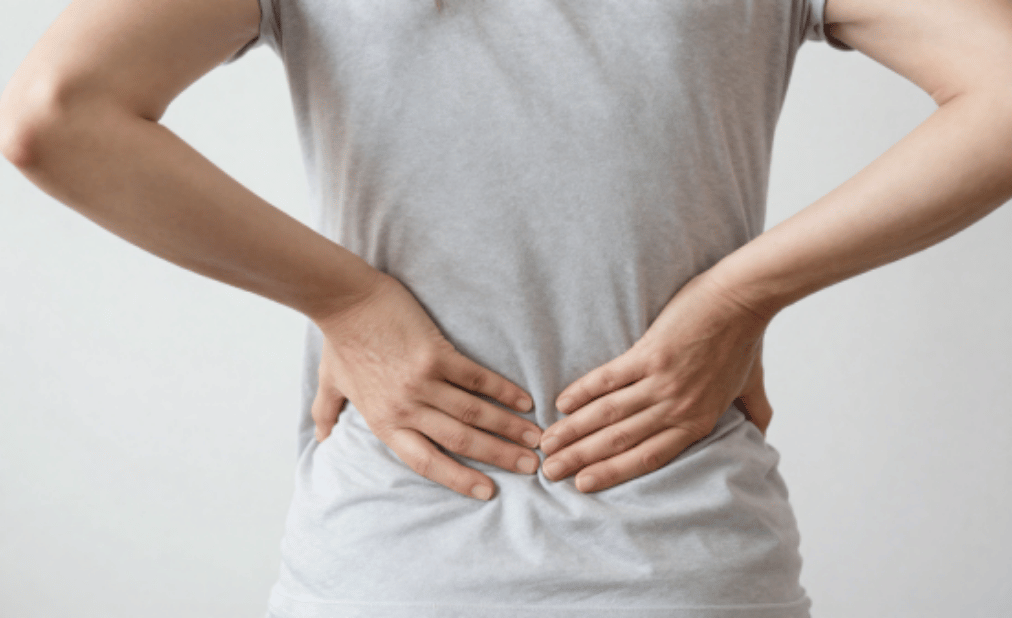
Low back pain can arise from various conditions affecting the muscles, joints, nerves, or intervertebral discs of the spine. Some of the commonly encountered conditions include:
- Muscle strain and ligament sprain due to overexertion or improper lifting
- Lumbar disc bulge or herniation that may cause nerve compression
- Sciatica, where pain radiates from the lower back to the legs
- Degenerative disc disease related to aging changes in the spine
- Lumbar spondylosis or wear and tear of spinal joints
- Postural back pain resulting from prolonged sitting or incorrect posture
- Stiffness and inflammation in spinal muscles and joints
Understanding the exact cause of back pain is important in planning an appropriate treatment approach.
Ayurvedic Understanding of Low Back Pain
In Ayurveda, many forms of low back pain are associated with conditions such as Katigraha and Gridhrasi, which occur due to aggravation of Vata Dosha.
Vata governs movement, nerve impulses, and musculoskeletal functions in the body. When Vata becomes aggravated due to factors such as excessive physical strain, improper posture, aging, irregular lifestyle habits, or stress, it may lead to symptoms such as:
- Persistent pain in the lower back
- Stiffness and restricted movement
- Muscle tightness
- Pain radiating to the hips or legs
- Difficulty performing routine activities
Ayurvedic treatment focuses on calming aggravated Vata, improving circulation, reducing inflammation, and nourishing the muscles, joints, and nerves.
Ayurvedic Therapies for Low Back Pain
Ayurvedic management of low back pain typically involves a combination of therapeutic procedures designed to relieve pain and support healing.
Abhyangam (Therapeutic Oil Massage)
Abhyangam involves the application of warm medicated oils through specialized massage techniques. This therapy helps improve blood circulation, relax muscles, reduce stiffness, and calm the nervous system.
Kati Basti
Kati Basti is a well-known Ayurvedic therapy for lower back pain. Warm medicated oil is retained over the lower back using a herbal dough ring, allowing the oil to penetrate deeper tissues and nourish the spine.
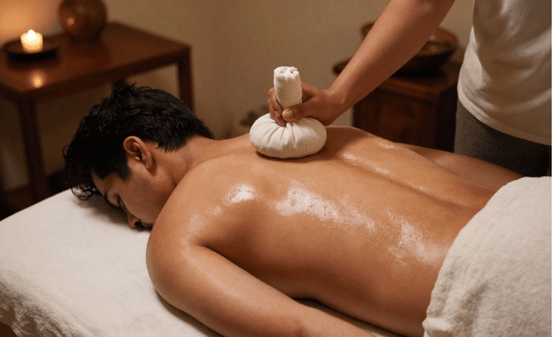
Patra Potali Swedam
This therapy uses heated herbal poultices prepared with medicinal leaves. The warm herbal bundles are applied over the affected area to reduce inflammation, improve circulation, and relieve muscular stiffness.
Elakizhi and Podi Kizhi
These treatments involve the application of heated herbal bundles containing medicinal leaves or powders. They help reduce muscle tension and improve flexibility.
Dhanyamla Dhara
Dhanyamla Dhara involves pouring a warm fermented herbal liquid over the body in a rhythmic manner. It may help reduce inflammation, improve circulation, and relieve stiffness in certain conditions.
Medicated Bandages
In some cases, medicated herbal bandages may be applied to the affected area to provide localized support and enhance the therapeutic effect of herbal preparations.
Manual Decompression Therapies
Incorporation of manual decompression techniques may help reduce pressure on spinal structures and improve mobility. These techniques aim to gently relieve stress on compressed nerves and promote better spinal alignment.
The choice of therapies is always customized after assessing the patient's condition, severity of symptoms, and overall health status.
Internal Ayurvedic Support
In addition to external therapies, Ayurvedic physicians may prescribe internal herbal formulations to support the healing process. These medicines may help reduce inflammation, improve joint strength, support nerve health, and enhance metabolic balance.
Internal medicines are always prescribed after proper consultation and are tailored to the patient’s individual needs.
Importance of Follow-Up Care
One of the key aspects of successful treatment is regular follow-up and monitoring. Back pain management often requires a gradual and structured approach. Follow-up consultations allow practitioners to assess progress, modify therapies if necessary, and guide patients on maintaining spinal health.
Consistent follow-up care ensures that the improvements achieved through therapy are sustained over time.
Importance of Exercise and Rehabilitation
While Ayurvedic therapies help relieve pain and restore balance, maintaining spinal health also requires appropriate physical activity.
Gentle exercises and stretching practices help strengthen the muscles supporting the spine and improve flexibility. Specific exercises recommended by the physician can help maintain the benefits achieved through treatment and prevent recurrence of pain.
Yoga and posture-correcting exercises are often helpful in improving spinal stability and supporting long-term recovery.
Improving Quality of Life
Chronic back pain can significantly affect daily activities, work performance, and overall well-being. Effective management aims not only to reduce pain but also to improve the individual’s quality of life.
By combining therapeutic treatments, lifestyle adjustments, and guided exercises, Ayurvedic care helps patients regain mobility, improve comfort in daily activities, and maintain long-term spinal health.
At Coimbatore Ayurvedic Medical Center, Oman, individualized treatment plans are designed to support recovery, enhance functional ability, and help patients return to a more active and comfortable lifestyle.