

Stroke Rehabilitation in Ayurveda: Supporting Recovery and Improving Quality of Life
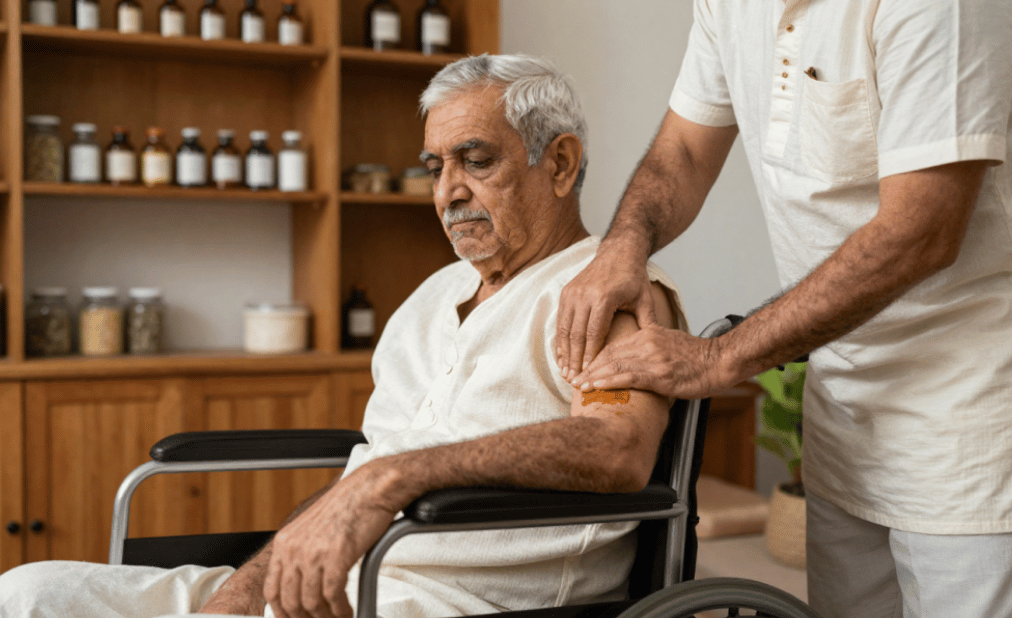
Stroke is a serious neurological condition that can affect movement, speech, balance, and overall functioning of the body. Even after the initial medical emergency is managed, many patients continue to experience weakness, difficulty in movement, or reduced coordination. For this reason, rehabilitation becomes a crucial part of the recovery process.
Understanding Stroke and Its Effects
Stroke occurs when the blood supply to a part of the brain is interrupted or reduced, leading to damage to brain cells. This interruption may occur due to blockage of blood vessels or bleeding within the brain.
Depending on the area affected, stroke may lead to several symptoms such as:
- Weakness or paralysis on one side of the body
- Difficulty speaking or understanding speech
- Reduced coordination and balance
- Muscle stiffness or spasticity
- Difficulty walking or performing daily activities
These changes may significantly affect a person's independence and quality of life, making structured rehabilitation essential.
Ayurvedic Understanding of Stroke
In Ayurveda, stroke-related conditions are described under Pakshaghata, which is primarily associated with severe aggravation of Vata Dosha.
Vata governs movement, nerve impulses, and muscular activity within the body. When Vata becomes severely disturbed, it may affect the functioning of nerves and muscles, leading to weakness or paralysis of one side of the body.
Ayurvedic rehabilitation therefore focuses on:
- Calming aggravated Vata
- Nourishing the nervous system
- Improving circulation
- Stimulating muscle activity
- Supporting gradual restoration of mobility
Ayurvedic Therapies Used in Stroke Rehabilitation
Ayurvedic therapies used during stroke rehabilitation are selected carefully based on the patient’s condition and stage of recovery. These treatments help stimulate nerve function, improve circulation, and support muscle strength.
Abhyangam (Therapeutic Oil Massage)
Abhyangam involves the application of warm medicated oils using specialized massage techniques. This therapy helps stimulate circulation, relax muscles, and improve neuromuscular coordination.
Pizhichil
Pizhichil is a therapy where warm medicated oil is poured over the body while gentle massage is performed. It helps nourish the muscles and nerves and may support improved flexibility and strength.
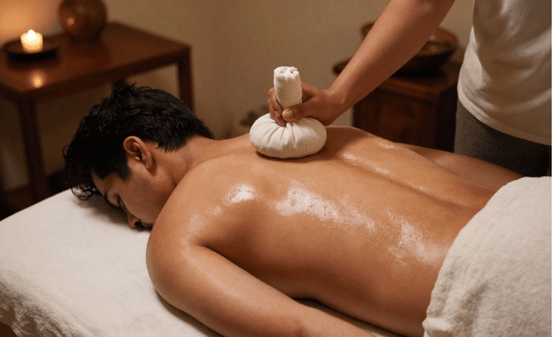
Njavarakizhi
Njavarakizhi uses bundles of medicated rice prepared with herbal decoctions. The therapy provides warmth and nourishment to the muscles and may help improve muscle tone and strength.
Elakizhi and Podi Kizhi
Herbal bundle therapies using medicinal leaves or powders help improve circulation, reduce stiffness, and support muscle relaxation.
Nasyam
Nasyam is a therapy where medicated oils or herbal preparations are administered through the nasal passages. In Ayurveda, the nasal route is considered an important pathway for influencing the head and nervous system, making this therapy useful in certain neurological conditions.
Shirovasti
Shirovasti involves retaining warm medicated oil over the head using a specialized cap. This therapy helps calm the nervous system and may support neurological recovery and mental relaxation.
Udwarthanam
Udwarthanam is a therapy that uses herbal powders applied to the body through specific massage techniques. It helps stimulate circulation, improve muscle tone, and support metabolic balance.
Manual Rehabilitation Techniques
In addition to Ayurvedic therapies, gentle manual rehabilitation techniques may be incorporated to improve joint mobility, stimulate muscles, and support neuromuscular coordination.
The selection of therapies is always individualized based on the patient’s condition and overall health status.
Internal Ayurvedic Support
Along with external therapies, Ayurvedic physicians may recommend internal herbal preparations to support the nervous system and promote recovery.
These medicines may help:
- Strengthen nerve function
- Improve circulation
- Support muscle recovery
- Enhance overall vitality and energy
Internal medicines are always prescribed after proper consultation and assessment.
Role of Exercise in Stroke Rehabilitation
Exercise plays an essential role in helping patients regain movement and strength after stroke. Guided physiotherapy and therapeutic exercises help retrain muscles and improve coordination.
Common rehabilitation exercises may include:
- Assisted limb movements
- Balance and coordination exercises
- Walking practice
- Gentle stretching
- Muscle strengthening exercises
Regular exercise helps maintain the benefits achieved through therapies and supports long-term recovery.
Importance of Regular Follow-Up
Stroke rehabilitation requires continuous monitoring and adjustment of treatment strategies. Regular follow-up consultations allow practitioners to evaluate progress, modify therapies when necessary, and provide guidance to patients and caregivers.
Consistent follow-up ensures that recovery continues in a safe and effective manner.
Improving Quality of Life After Stroke
Stroke can affect not only physical abilities but also emotional well-being. Effective rehabilitation focuses on restoring confidence, independence, and the ability to perform daily activities.
Through a combination of therapeutic treatments, guided exercises, and supportive care, Ayurveda aims to improve mobility, strengthen the body, and enhance the patient’s overall quality of life.
At Coimbatore Ayurvedic Medical Center, Oman, individualized rehabilitation programs are designed to support each patient’s recovery journey and help them regain functional ability and independence.